Operation

Operation

M/V UNIGLOBE Approved for Wheat Loading in Paranaguá: Cargo Hold Cleaning Completed by Seachios®
Company

Seachios' Customer

Company

Seachios' Customer

Company

Seachios' Customer

Services

Cargo Hold Cleaning; Documentation Package (operation report + certificates); Hold Inspection Acceptance Certificate

Services

Cargo Hold Cleaning; Documentation Package (operation report + certificates); Hold Inspection Acceptance Certificate

Services

Cargo Hold Cleaning; Documentation Package (operation report + certificates); Hold Inspection Acceptance Certificate

Industry

Shipping

Industry

Shipping

Industry

Shipping

Year

2026

Year

2026

Year

2026

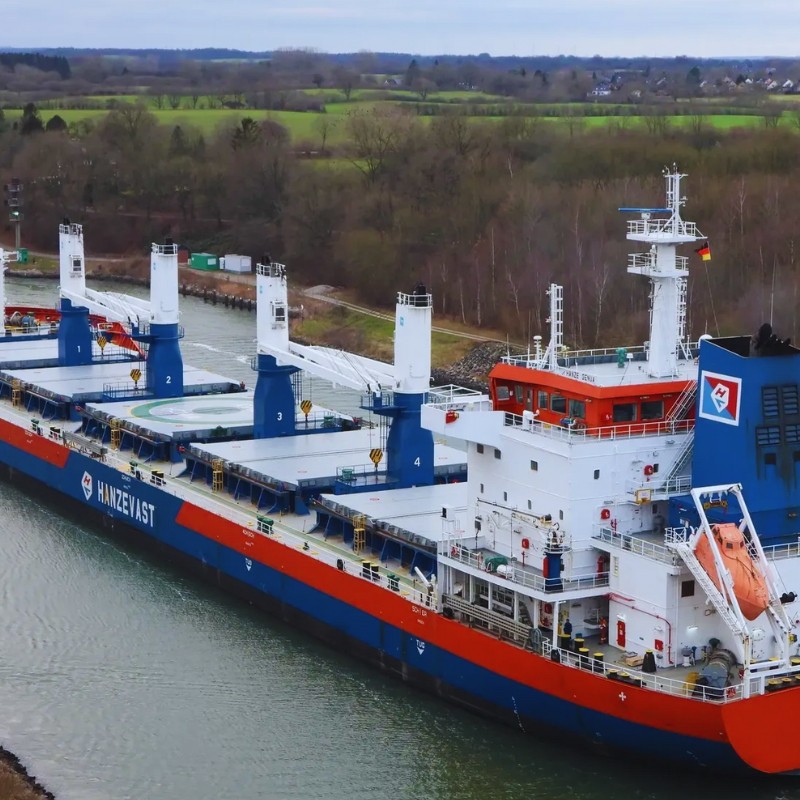
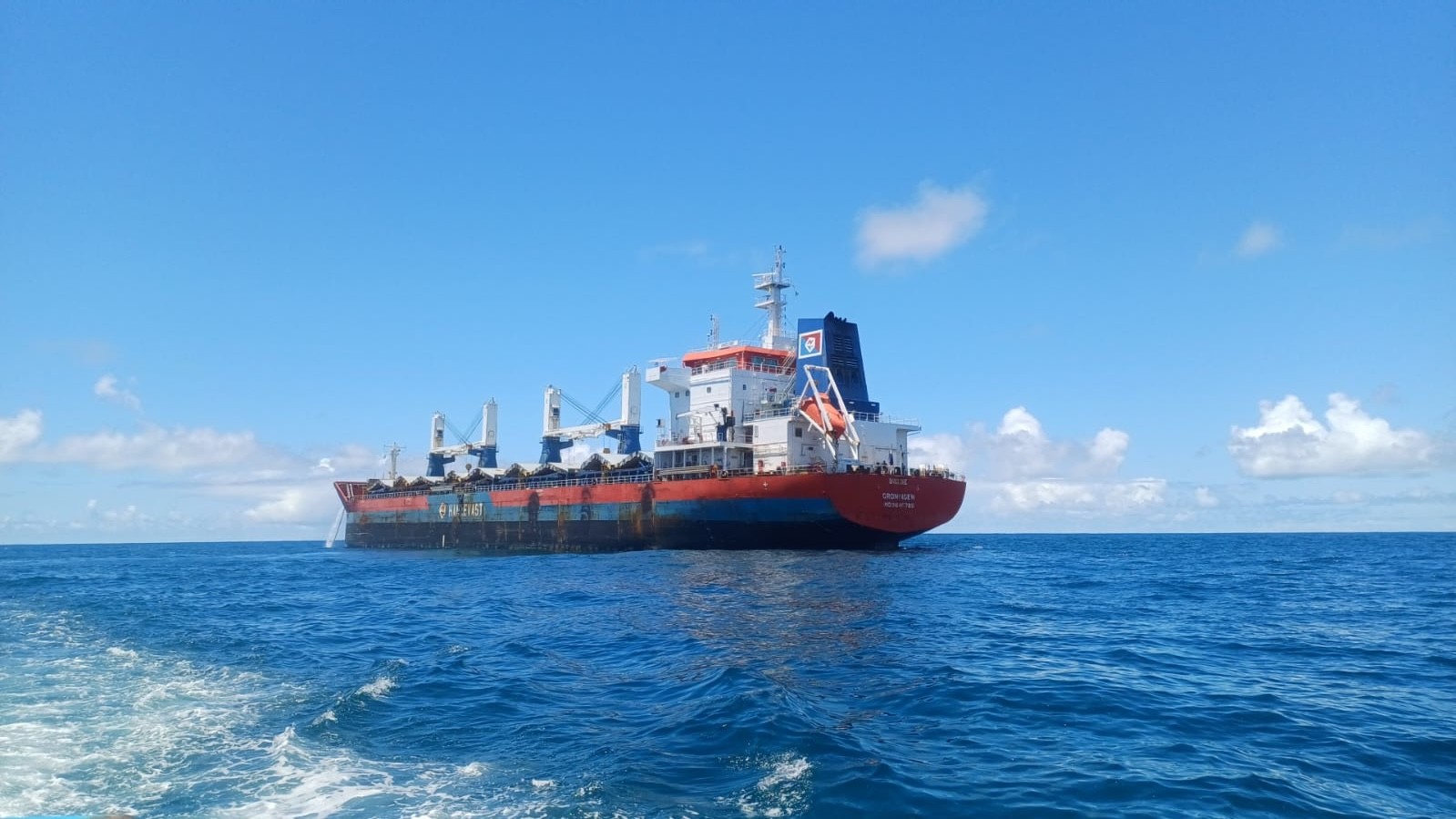
Bulk carrier UNIGLOBE at Paranaguá Anchorage, Brazil, viewed from the sea during cargo hold cleaning and inspection attendance.

Seachios® Marine Services completed another cargo hold cleaning operation at Paranaguá Anchorage, Brazil, delivering a documented cleaning scope for five cargo holds (Holds 01–05)

Cargo Ship Bulk Carrier Image for Cargo Hold Cleaning at Paranagua

Seachios' Customer

Shipowner / Charterer / Operator

Seachios® completed cargo hold cleaning for M/V UNIGLOBE at Paranaguá Anchorage under a defined scope (Holds 01–05) and issued a documented operation record supported by compliance certificates on file. The documentation pack also includes post-cleaning inspection/acceptance paperwork on file confirming acceptance for wheat loading within the stated scope.

Background and objective

Bulk cargo readiness is won or lost on execution discipline. Charterers, operators, and agents need confidence that holds were cleaned under a defined scope and presented in a condition suitable for the declared commodity—especially for grain cargoes. For this attendance, Seachios’ objective was direct: complete cargo hold cleaning across Holds 01–05 and prepare the spaces for post-cleaning inspection and loading readiness.

What we delivered

Seachios performed cargo hold cleaning covering Holds 01–05 on board M/V UNIGLOBE (IMO 9646780), referenced to Paranaguá Anchorage, Brazil. The work was executed hold-by-hold with clear scope boundaries and a practical focus on cleanliness and suitability for the intended commodity.

Methodology applied

This campaign followed a controlled cleaning sequence, applied as required by hold condition:

  • Seawater washdown (initial removal)

  • Chemical application (targeted treatment)

  • High-pressure hydrojetting (removal and final washdown)

  • Manual scrubbing / hand cleaning (localized finishing)

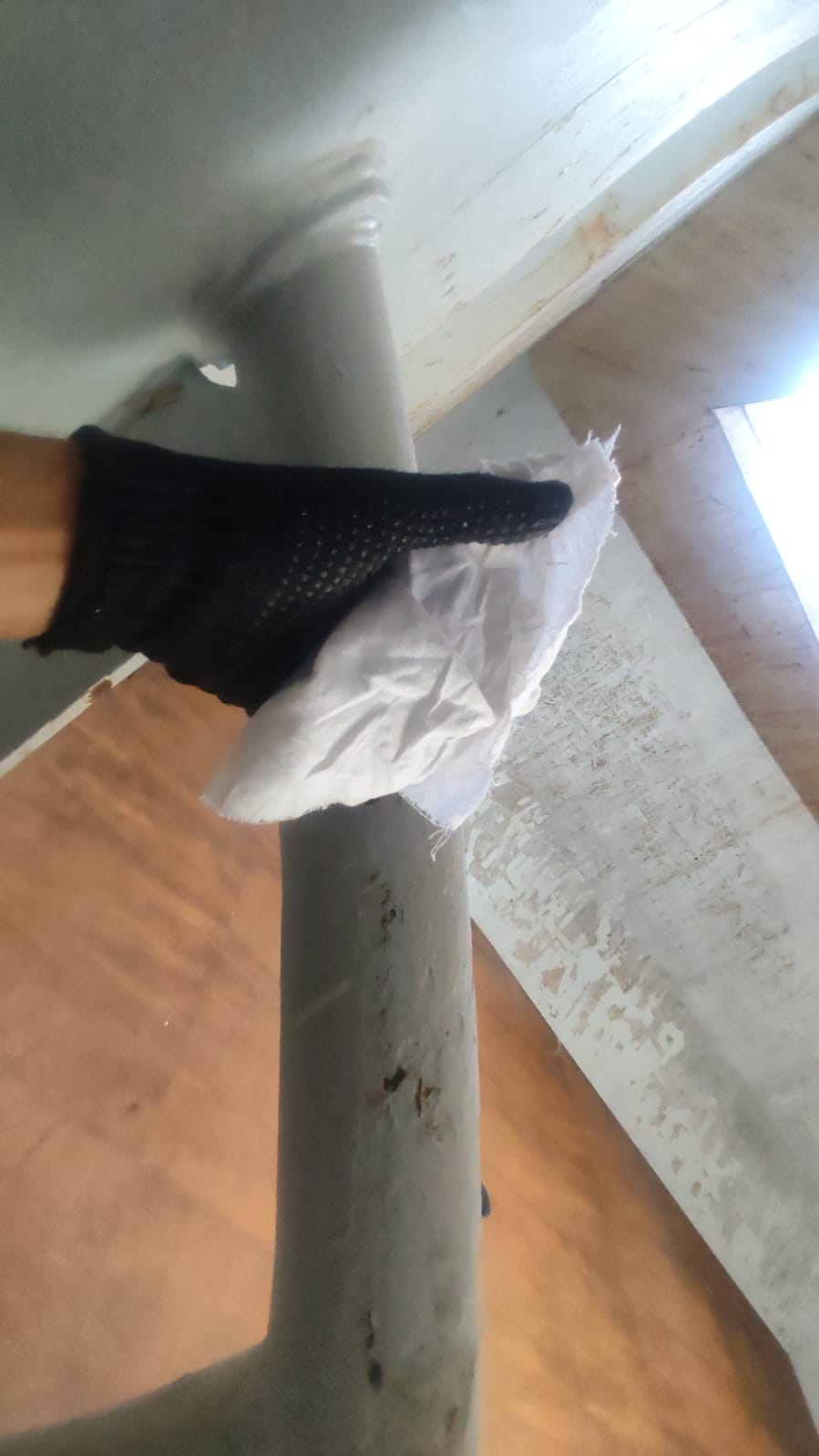
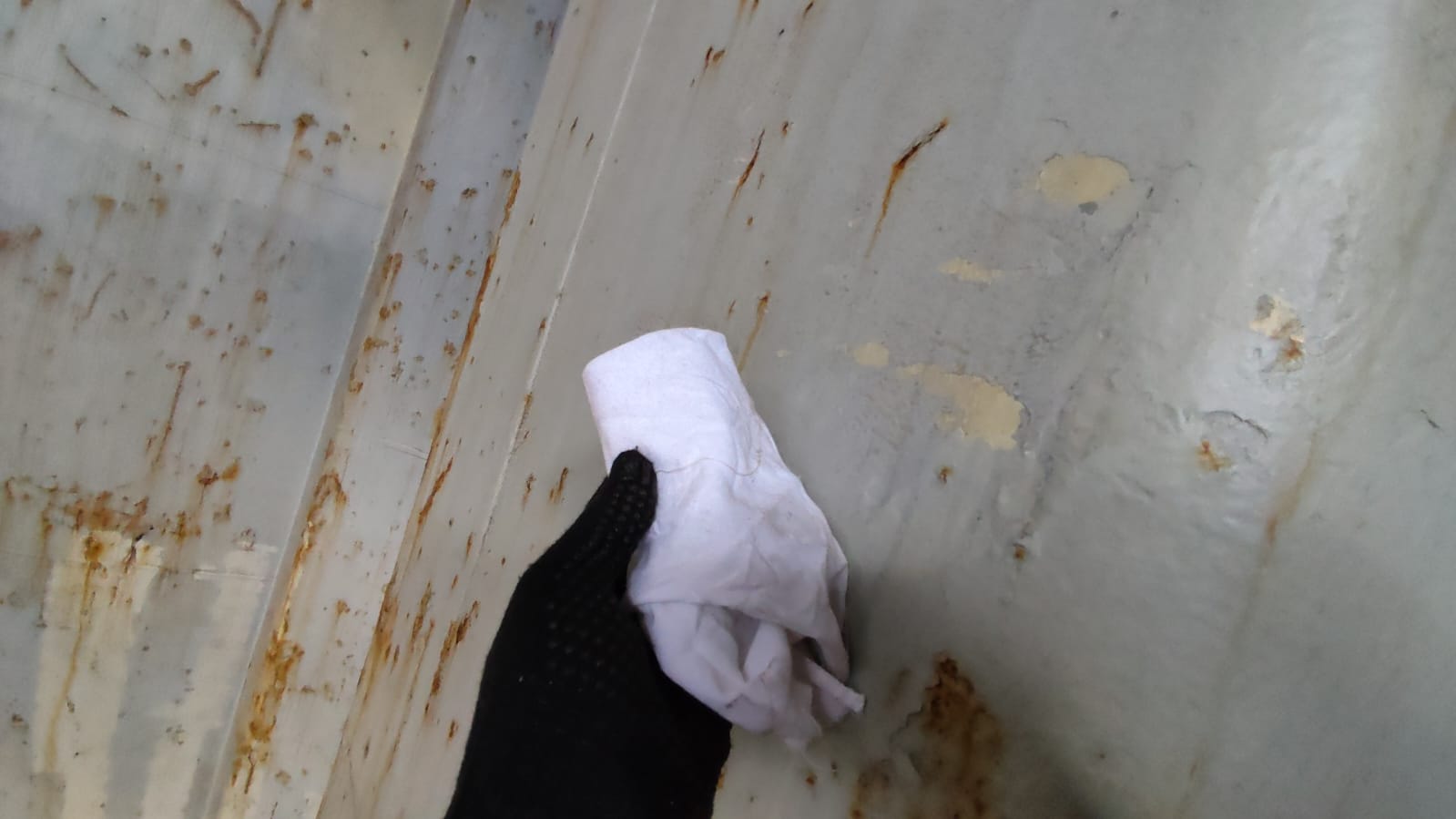
  • Post-cleaning verification support: white-rag wiping to confirm whether residues were transferable after cleaning

Where staining remains visible after cleaning, the operational question is whether residues are transferable and whether the hold condition meets the inspecting party’s acceptance checks for the declared cargo. This case is described in a claims-aware way: we report the work performed and the controls applied, without assuming concealed conditions.

Result

Seachios completed cargo hold cleaning for Holds 01–05 on M/V UNIGLOBE, supporting readiness for wheat in bulk. Following completion, the holds were inspected and approved for loading within the stated scope by CARGOWARD® and Bureau Veritas.

Why this matters for Brazil bulk operations

In Brazilian ports and anchorages, cargo readiness depends on disciplined execution under real constraints (time windows, access, safety, and cargo sensitivity). This case reflects a straightforward chain: cleaning performed with controlled methods, followed by independent inspection and approval for the declared commodity—without over-claiming or extending conclusions beyond the inspected holds.

Request the same service
Request deployment.

Background and objective

Bulk cargo readiness is won or lost on execution discipline. Charterers, operators, and agents need confidence that holds were cleaned under a defined scope and presented in a condition suitable for the declared commodity—especially for grain cargoes. For this attendance, Seachios’ objective was direct: complete cargo hold cleaning across Holds 01–05 and prepare the spaces for post-cleaning inspection and loading readiness.

What we delivered

Seachios performed cargo hold cleaning covering Holds 01–05 on board M/V UNIGLOBE (IMO 9646780), referenced to Paranaguá Anchorage, Brazil. The work was executed hold-by-hold with clear scope boundaries and a practical focus on cleanliness and suitability for the intended commodity.

Methodology applied

This campaign followed a controlled cleaning sequence, applied as required by hold condition:

  • Seawater washdown (initial removal)

  • Chemical application (targeted treatment)

  • High-pressure hydrojetting (removal and final washdown)

  • Manual scrubbing / hand cleaning (localized finishing)

  • Post-cleaning verification support: white-rag wiping to confirm whether residues were transferable after cleaning

Where staining remains visible after cleaning, the operational question is whether residues are transferable and whether the hold condition meets the inspecting party’s acceptance checks for the declared cargo. This case is described in a claims-aware way: we report the work performed and the controls applied, without assuming concealed conditions.

Result

Seachios completed cargo hold cleaning for Holds 01–05 on M/V UNIGLOBE, supporting readiness for wheat in bulk. Following completion, the holds were inspected and approved for loading within the stated scope by CARGOWARD® and Bureau Veritas.

Why this matters for Brazil bulk operations

In Brazilian ports and anchorages, cargo readiness depends on disciplined execution under real constraints (time windows, access, safety, and cargo sensitivity). This case reflects a straightforward chain: cleaning performed with controlled methods, followed by independent inspection and approval for the declared commodity—without over-claiming or extending conclusions beyond the inspected holds.

Request the same service
Request deployment.

Background and objective

Bulk cargo readiness is won or lost on execution discipline. Charterers, operators, and agents need confidence that holds were cleaned under a defined scope and presented in a condition suitable for the declared commodity—especially for grain cargoes. For this attendance, Seachios’ objective was direct: complete cargo hold cleaning across Holds 01–05 and prepare the spaces for post-cleaning inspection and loading readiness.

What we delivered

Seachios performed cargo hold cleaning covering Holds 01–05 on board M/V UNIGLOBE (IMO 9646780), referenced to Paranaguá Anchorage, Brazil. The work was executed hold-by-hold with clear scope boundaries and a practical focus on cleanliness and suitability for the intended commodity.

Methodology applied

This campaign followed a controlled cleaning sequence, applied as required by hold condition:

  • Seawater washdown (initial removal)

  • Chemical application (targeted treatment)

  • High-pressure hydrojetting (removal and final washdown)

  • Manual scrubbing / hand cleaning (localized finishing)

  • Post-cleaning verification support: white-rag wiping to confirm whether residues were transferable after cleaning

Where staining remains visible after cleaning, the operational question is whether residues are transferable and whether the hold condition meets the inspecting party’s acceptance checks for the declared cargo. This case is described in a claims-aware way: we report the work performed and the controls applied, without assuming concealed conditions.

Result

Seachios completed cargo hold cleaning for Holds 01–05 on M/V UNIGLOBE, supporting readiness for wheat in bulk. Following completion, the holds were inspected and approved for loading within the stated scope by CARGOWARD® and Bureau Veritas.

Why this matters for Brazil bulk operations

In Brazilian ports and anchorages, cargo readiness depends on disciplined execution under real constraints (time windows, access, safety, and cargo sensitivity). This case reflects a straightforward chain: cleaning performed with controlled methods, followed by independent inspection and approval for the declared commodity—without over-claiming or extending conclusions beyond the inspected holds.

Request the same service
Request deployment.

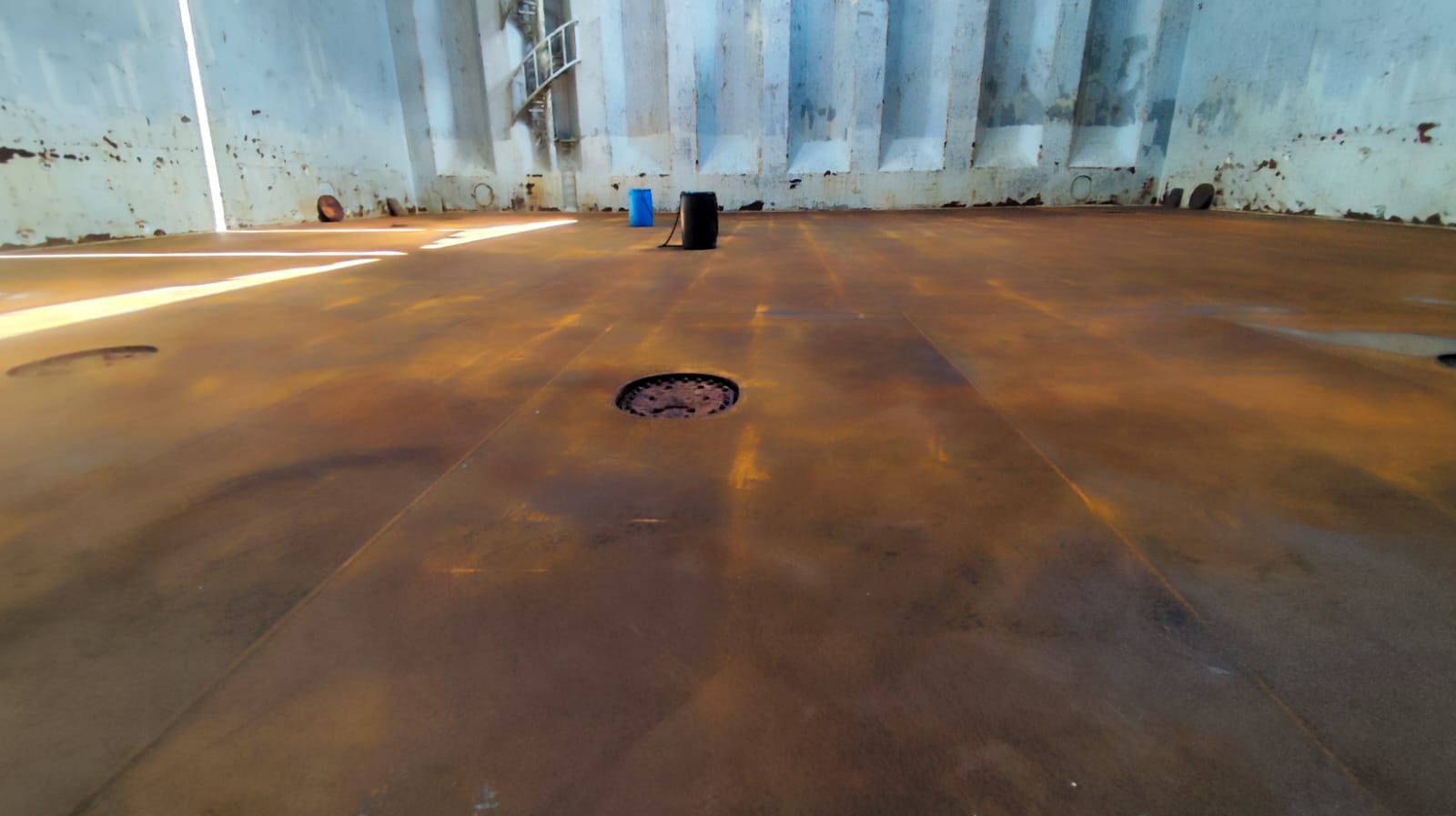
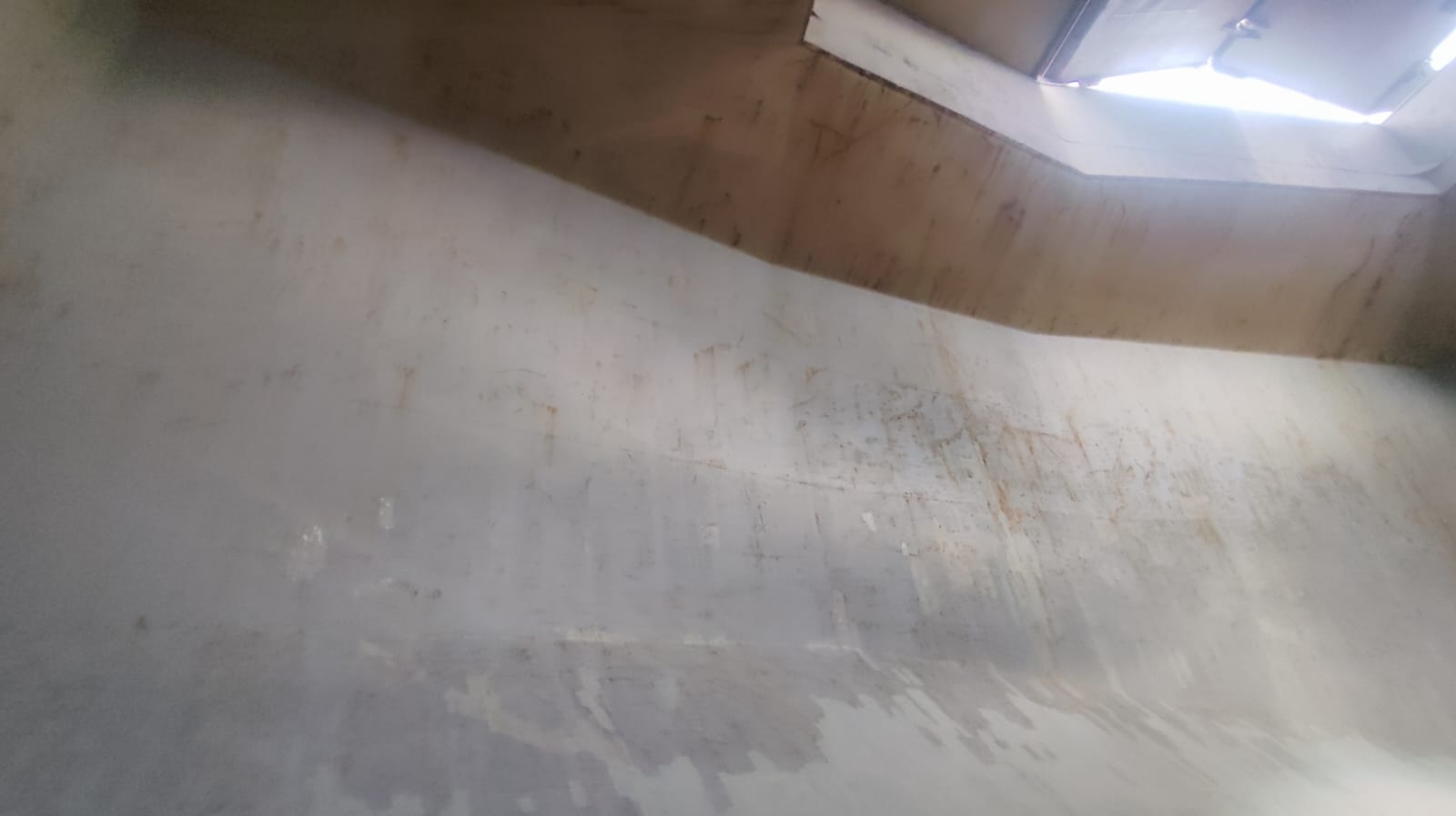
Tank top and lower bulkhead area after cargo hold cleaning, showing cleaned steel surface with remaining staining from coal cargo.
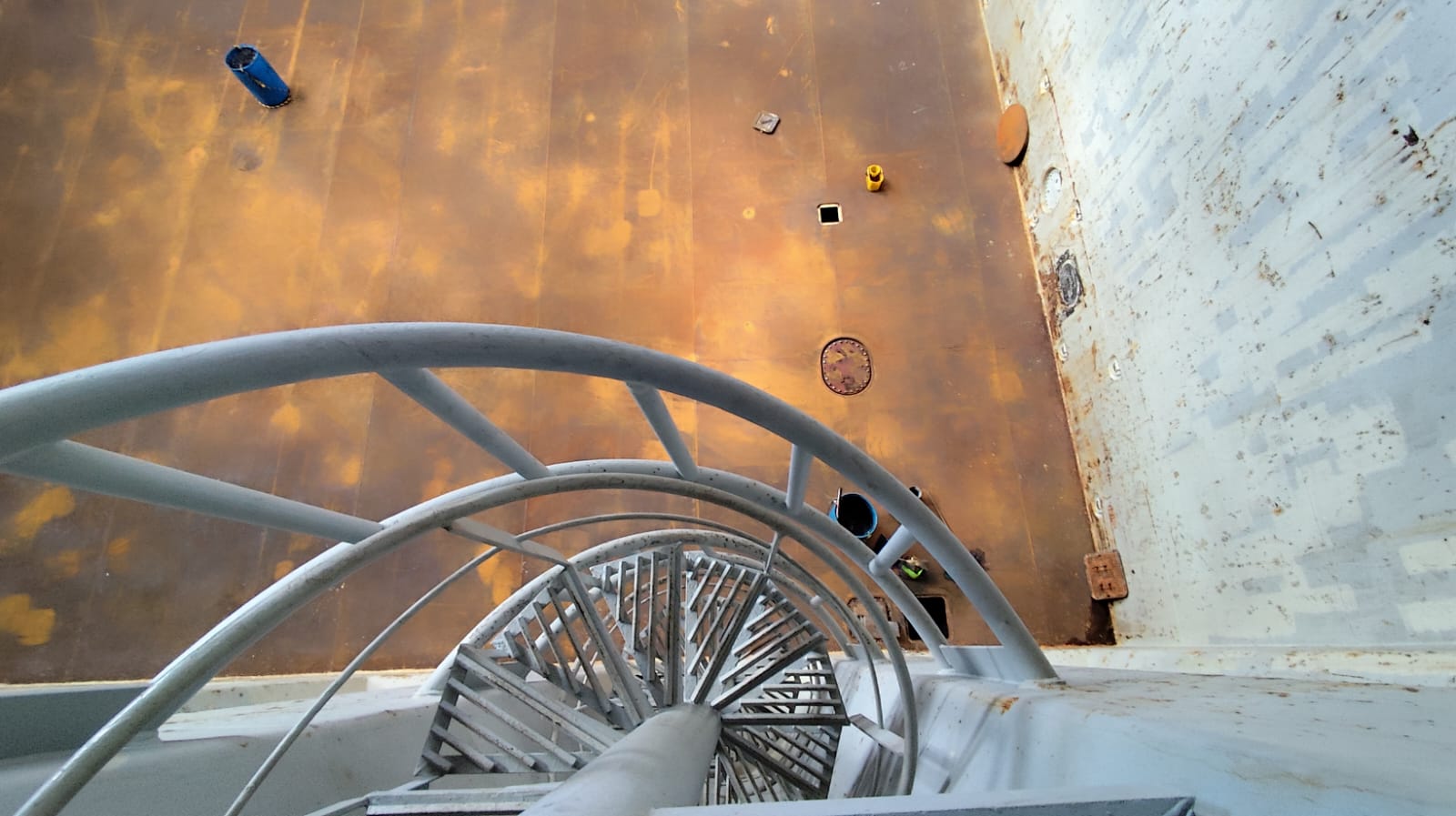
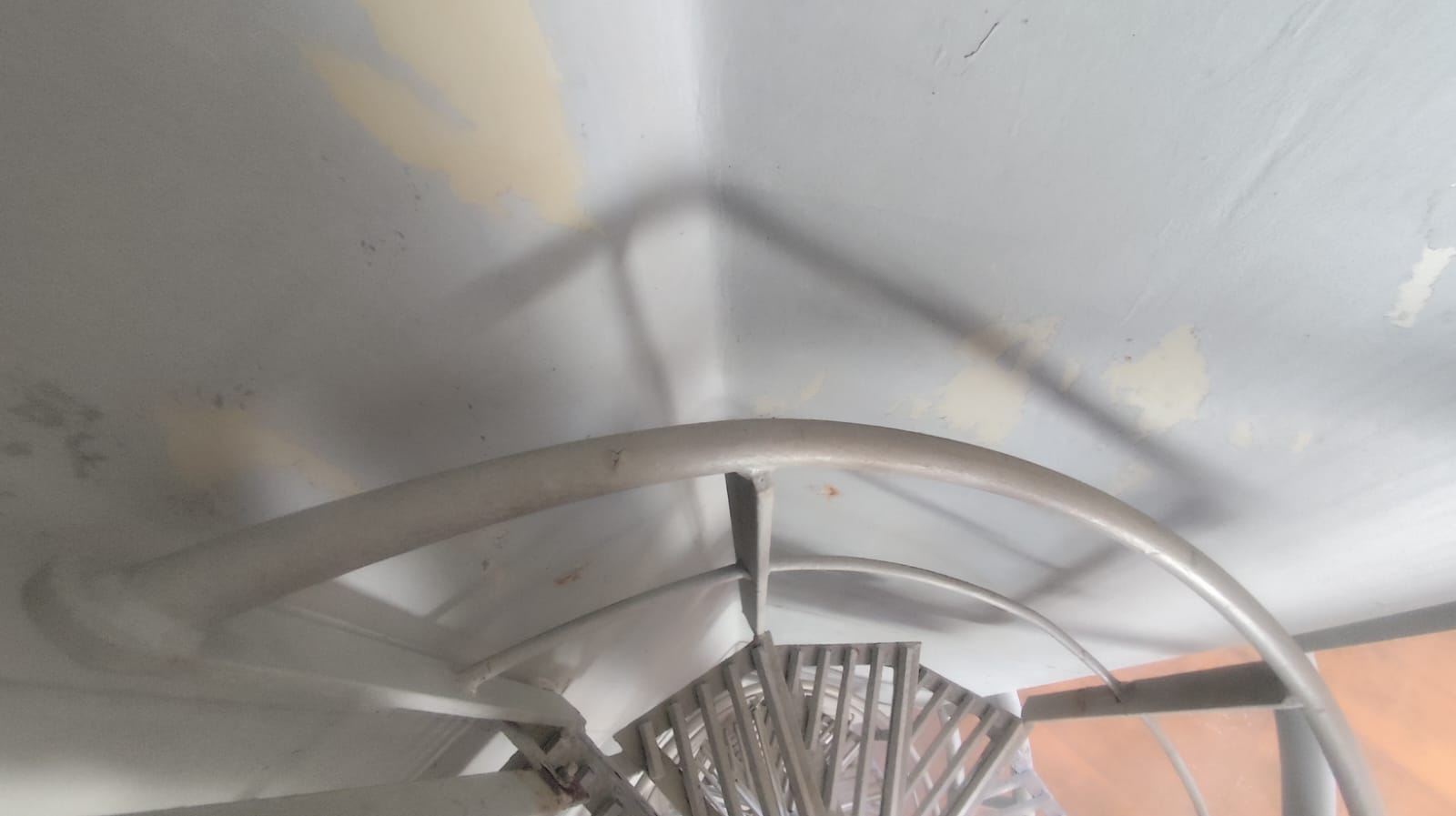
Post-cleaning view of cargo hold access platform and curved handrail, showing painted surfaces after coal cargo cleanup.
Cargo hold upper bulkhead and hatch coaming area after cleaning, with residual streaking visible from previous coal cargo.
Seachios shore gang performing white-rag wipe check on hold structure after cargo hold cleaning (post-coal cargo).
Spiral access ladder inside cargo hold, looking down to tank top after cleaning following coal cargo operations.
Seachios shore gang performing a white rag wipe test on cargo hold structure after cleaning, verifying residual dust after coal cargo.

Controls, constraints, and reporting discipline

Operational constraints

Cargo hold cleaning at anchorage is executed under real constraints: access routes, utility setup, time windows, and variable visibility. Control comes from disciplined execution rather than rhetoric. The work is managed hold-by-hold, with defined readiness criteria, safe access rules, and structured close-out checks that do not rely on assumptions about concealed conditions.

Separation of responsibilities: Seachios cleaning vs. CARGOWARD inspection and acceptance

For bulk cargo readiness, credibility depends on separating who cleans from who inspects. Seachios® executes the cleaning operation under a defined scope and applies a controlled method sequence (washdown, chemical application, high-pressure hydrojetting, and manual finishing where required). CARGOWARD® then attends as an independent inspecting party to verify cleanliness and suitability against the declared cargo and to record the acceptance outcome within the inspection scope.

This separation matters to shipowners, charterers, traders, agents, and P&I stakeholders because it prevents self-approval and keeps the readiness statement attributable to the inspecting party’s determination.

Readiness verification discipline

Public claims about cargo readiness fail when they are vague. Operational discipline is the opposite:

  • Readiness is assessed against clear criteria (e.g., clean, dry, free of residues and objectionable odours within the inspection scope).

  • Observations are limited to what can be safely accessed and directly verified.

  • Any constraints (lighting, access restrictions, terminal rules) are treated as limits on what can be verified—not as gaps to be filled with assumptions.

Integrity controls

Seachios operates under a zero-tolerance posture toward improper influence. Controls include gifts and hospitality restrictions, conflict-of-interest declarations where required, and traceable approvals for scope changes and exceptions. These controls protect the integrity of the operation and the inspection interface by ensuring that the acceptance outcome remains independent and defensible.

FAQ

Is cargo hold cleaning the same as “approval for loading”?

No. Cleaning is the execution step and is documented by the cleaning provider (report and certificates). “Accepted for loading” is recorded only when the inspecting party issues acceptance wording on their inspection certificate within the stated scope.

What does “accepted for wheat loading” mean in this case?

It means the acceptance paperwork on file records that the holds listed in the certificate were accepted for the declared commodity within the checklist and scope stated on that certificate. This public case study does not extend acceptance beyond what is documented.

Can holds be accepted even if some staining is visible?

Yes, depending on the acceptance criteria used. Staining can remain visible after cleaning, especially where coating condition and corrosion are present. Acceptance typically depends on whether residues are transferable and whether the recorded readiness checks for the declared cargo are satisfied.

What documents should we expect after a professional hold cleaning job?

Typically: an operation report (scope, method, time logic, photos), cleaning and chemical application certificates when applicable, and any post-cleaning inspection certificate showing acceptance wording for the declared cargo.

Is this a Class survey or seaworthiness certification?

No. A hold cleaning operation report is not a Class survey and not a seaworthiness certification. It documents the cleaning work performed and the observations recorded within the stated scope and access conditions.

Controls, constraints, and reporting discipline

Operational constraints

Cargo hold cleaning at anchorage is executed under real constraints: access routes, utility setup, time windows, and variable visibility. Control comes from disciplined execution rather than rhetoric. The work is managed hold-by-hold, with defined readiness criteria, safe access rules, and structured close-out checks that do not rely on assumptions about concealed conditions.

Separation of responsibilities: Seachios cleaning vs. CARGOWARD inspection and acceptance

For bulk cargo readiness, credibility depends on separating who cleans from who inspects. Seachios® executes the cleaning operation under a defined scope and applies a controlled method sequence (washdown, chemical application, high-pressure hydrojetting, and manual finishing where required). CARGOWARD® then attends as an independent inspecting party to verify cleanliness and suitability against the declared cargo and to record the acceptance outcome within the inspection scope.

This separation matters to shipowners, charterers, traders, agents, and P&I stakeholders because it prevents self-approval and keeps the readiness statement attributable to the inspecting party’s determination.

Readiness verification discipline

Public claims about cargo readiness fail when they are vague. Operational discipline is the opposite:

  • Readiness is assessed against clear criteria (e.g., clean, dry, free of residues and objectionable odours within the inspection scope).

  • Observations are limited to what can be safely accessed and directly verified.

  • Any constraints (lighting, access restrictions, terminal rules) are treated as limits on what can be verified—not as gaps to be filled with assumptions.

Integrity controls

Seachios operates under a zero-tolerance posture toward improper influence. Controls include gifts and hospitality restrictions, conflict-of-interest declarations where required, and traceable approvals for scope changes and exceptions. These controls protect the integrity of the operation and the inspection interface by ensuring that the acceptance outcome remains independent and defensible.

FAQ

Is cargo hold cleaning the same as “approval for loading”?

No. Cleaning is the execution step and is documented by the cleaning provider (report and certificates). “Accepted for loading” is recorded only when the inspecting party issues acceptance wording on their inspection certificate within the stated scope.

What does “accepted for wheat loading” mean in this case?

It means the acceptance paperwork on file records that the holds listed in the certificate were accepted for the declared commodity within the checklist and scope stated on that certificate. This public case study does not extend acceptance beyond what is documented.

Can holds be accepted even if some staining is visible?

Yes, depending on the acceptance criteria used. Staining can remain visible after cleaning, especially where coating condition and corrosion are present. Acceptance typically depends on whether residues are transferable and whether the recorded readiness checks for the declared cargo are satisfied.

What documents should we expect after a professional hold cleaning job?

Typically: an operation report (scope, method, time logic, photos), cleaning and chemical application certificates when applicable, and any post-cleaning inspection certificate showing acceptance wording for the declared cargo.

Is this a Class survey or seaworthiness certification?

No. A hold cleaning operation report is not a Class survey and not a seaworthiness certification. It documents the cleaning work performed and the observations recorded within the stated scope and access conditions.

Controls, constraints, and reporting discipline

Operational constraints

Cargo hold cleaning at anchorage is executed under real constraints: access routes, utility setup, time windows, and variable visibility. Control comes from disciplined execution rather than rhetoric. The work is managed hold-by-hold, with defined readiness criteria, safe access rules, and structured close-out checks that do not rely on assumptions about concealed conditions.

Separation of responsibilities: Seachios cleaning vs. CARGOWARD inspection and acceptance

For bulk cargo readiness, credibility depends on separating who cleans from who inspects. Seachios® executes the cleaning operation under a defined scope and applies a controlled method sequence (washdown, chemical application, high-pressure hydrojetting, and manual finishing where required). CARGOWARD® then attends as an independent inspecting party to verify cleanliness and suitability against the declared cargo and to record the acceptance outcome within the inspection scope.

This separation matters to shipowners, charterers, traders, agents, and P&I stakeholders because it prevents self-approval and keeps the readiness statement attributable to the inspecting party’s determination.

Readiness verification discipline

Public claims about cargo readiness fail when they are vague. Operational discipline is the opposite:

  • Readiness is assessed against clear criteria (e.g., clean, dry, free of residues and objectionable odours within the inspection scope).

  • Observations are limited to what can be safely accessed and directly verified.

  • Any constraints (lighting, access restrictions, terminal rules) are treated as limits on what can be verified—not as gaps to be filled with assumptions.

Integrity controls

Seachios operates under a zero-tolerance posture toward improper influence. Controls include gifts and hospitality restrictions, conflict-of-interest declarations where required, and traceable approvals for scope changes and exceptions. These controls protect the integrity of the operation and the inspection interface by ensuring that the acceptance outcome remains independent and defensible.

FAQ

Is cargo hold cleaning the same as “approval for loading”?

No. Cleaning is the execution step and is documented by the cleaning provider (report and certificates). “Accepted for loading” is recorded only when the inspecting party issues acceptance wording on their inspection certificate within the stated scope.

What does “accepted for wheat loading” mean in this case?

It means the acceptance paperwork on file records that the holds listed in the certificate were accepted for the declared commodity within the checklist and scope stated on that certificate. This public case study does not extend acceptance beyond what is documented.

Can holds be accepted even if some staining is visible?

Yes, depending on the acceptance criteria used. Staining can remain visible after cleaning, especially where coating condition and corrosion are present. Acceptance typically depends on whether residues are transferable and whether the recorded readiness checks for the declared cargo are satisfied.

What documents should we expect after a professional hold cleaning job?

Typically: an operation report (scope, method, time logic, photos), cleaning and chemical application certificates when applicable, and any post-cleaning inspection certificate showing acceptance wording for the declared cargo.

Is this a Class survey or seaworthiness certification?

No. A hold cleaning operation report is not a Class survey and not a seaworthiness certification. It documents the cleaning work performed and the observations recorded within the stated scope and access conditions.

More operations

More operations

More operations

Curious for more? Explore additional case studies and see what’s possible for your business too

Seachios Marine Services' Logo Flag

SEACHIOS.

SEACHIOS CRANE NAVAL E SERVIÇOS MARÍTIMOS LTDA
operating under the brand name Seachios® Marine Services
Brazilian Company Registry (CNPJ/Tax ID): 09.258.299/0001-53
This company is in compliance with IMO regulations, the ISM Code, and ANTAQ requirements.

©2025 All rights reserved.

Seachios Marine Services' Logo Flag

SEACHIOS.

SEACHIOS CRANE NAVAL E SERVIÇOS MARÍTIMOS LTDA
operating under the brand name Seachios® Marine Services
Brazilian Company Registry (CNPJ/Tax ID): 09.258.299/0001-53
This company is in compliance with IMO regulations, the ISM Code, and ANTAQ requirements.

©2025 All rights reserved.

Seachios Marine Services' Logo Flag

SEACHIOS.

SEACHIOS CRANE NAVAL E SERVIÇOS MARÍTIMOS LTDA
operating under the brand name Seachios® Marine Services
Brazilian Company Registry (CNPJ/Tax ID): 09.258.299/0001-53
This company is in compliance with IMO regulations, the ISM Code, and ANTAQ requirements.

©2025 All rights reserved.